
On Santorini, the wind comes off the caldera in the afternoon and by evening the tavernas are warm with frying oil. Revithokeftedes have been part of that warmth for a long time — small, rough chickpea fritters pressed from mashed legumes, scented with cumin and dried herbs, pan-fried until they have a proper crust. They come to the table immediately, hot and slightly greasy in the way that only means they are right, with a bowl of cold tzatziki and lemon wedges on the side.
The name comes from revithia — chickpeas — and keftedes, the general Greek word for fritters or patties. As a category, keftedes covers everything from zucchini to meat to bread. What makes revithokeftedes particular is the chickpea itself: starchy, protein-dense, with a neutral flavor that amplifies everything added to it.
This is also one of the easiest meze dishes in the Greek repertoire. The work is minimal. The ingredients are pantry staples. The only technique that matters is the mash: roughly done, with texture intact, never processed into a paste. That roughness is what gives the fritters their character — the craggy surfaces crisp where the chickpea flesh catches the oil, and the slightly uneven interior stays soft.
Why This Recipe Works
- Rough mash, not paste. The fritters should have visible chickpea pieces inside. A smooth paste produces a dense, gummy texture that fries without crust. Mash with a fork or potato masher — 80% broken down, some whole pieces remaining.
- Dry chickpeas before mashing. Excess moisture prevents browning and makes the fritters fall apart. After draining and rinsing, spread the chickpeas on a towel and pat vigorously. They should feel completely dry before mashing.
- Medium heat for frying. Too hot and the outside burns before the interior sets. Too low and the fritters absorb oil without crisping. Medium heat, preheated pan, don’t move them until the first side is set.
- These are related to other Greek chickpea and fritter traditions. If you know Kolokithokeftedes (Greek Zucchini Fritters), the logic is similar — a rough vegetable base, aromatics, pan-frying. The chickpea version is denser, more filling, and more traditionally associated with the Cycladic islands.
Ingredients
For the Fritters (serves 4 as meze, about 16–18 fritters)
- 2 cans (800g total) chickpeas, drained, rinsed, and patted very dry
- 1 small onion, finely grated
- 3 cloves garlic, minced
- 1 teaspoon ground cumin
- 1 teaspoon dried oregano
- ¼ cup fresh flat-leaf parsley, finely chopped
- 3 tablespoons all-purpose flour (or chickpea flour for gluten-free)
- 1 egg (optional — omit for vegan)
- 1 teaspoon fine sea salt
- ¼ teaspoon black pepper
- ¼ cup (60ml) olive oil, for pan-frying
- Tzatziki and lemon wedges, for serving
Step-by-Step Instructions
1. Dry the chickpeas thoroughly.
Drain and rinse the chickpeas. Spread on a clean kitchen towel and pat dry — press down, roll them around, keep going until there’s no surface moisture. This is the step most people skip and most regret.
2. Mash roughly.
Transfer to a large bowl. Mash with a fork or potato masher until about 80% broken down — some pieces should remain. Do not use a food processor or blender. The texture is the point.
3. Add aromatics and binder.
Add the grated onion, garlic, cumin, oregano, parsley, flour, egg if using, salt, and pepper. Mix to combine. The mixture should hold a ball when pressed. If too wet, add another tablespoon of flour. If too dry, add a small splash of water.
4. Form the fritters.
Take about 2 tablespoons of mixture and press firmly into a patty, roughly 1½ inches wide and ½ inch thick. Place on a plate. Repeat with remaining mixture.
Chef’s note: You can refrigerate the formed fritters for up to 4 hours before frying. They firm up slightly in the cold and hold together better in the pan. If you’re preparing ahead for a meze table, this is the way.
5. Fry in batches.
Heat the olive oil in a wide, heavy skillet over medium heat until shimmering. Add fritters in a single layer — don’t crowd the pan. Cook undisturbed for 3–4 minutes until deeply golden on the bottom. Flip carefully and cook another 3–4 minutes. The exterior should be properly crisped.
6. Drain and serve immediately.
Transfer to a paper towel-lined plate briefly. Serve hot, right from the pan, with cold tzatziki and lemon wedges. These don’t hold — they’re meant to be eaten immediately.
Chef’s Notes
On chickpeas in Greek cuisine:
Chickpeas (revithia) are one of the foundational legumes of the Greek kitchen. They appear in soups, stews, and fritters throughout the islands, particularly in the Aegean. The chickpea’s ability to absorb surrounding flavors and its high starch content make it as versatile as a legume gets. Britannica’s plant entry on the chickpea covers its botanical history and origins — it has been cultivated in the Mediterranean basin for thousands of years.
The egg question:
The egg in this recipe is optional. With it, the fritters are slightly more cohesive and easier to flip. Without it, they are vegan and a little more fragile — handle them gently and let the first side fully set before flipping. Either way works. Most traditional versions I’ve seen in Santorini don’t use egg.
Flour alternatives:
For a gluten-free version, chickpea flour (revithino alevri) is the natural substitute and actually improves the chickpea flavor. Standard all-purpose flour works well. Breadcrumbs can also be used in a pinch.
Serving context:
Revithokeftedes are meze — part of a spread, not a main course, although a large plate of them with tzatziki, bread, and a salad is a complete meal. In Santorini they are often served at room temperature, which I don’t recommend at home. They are significantly better hot from the pan.
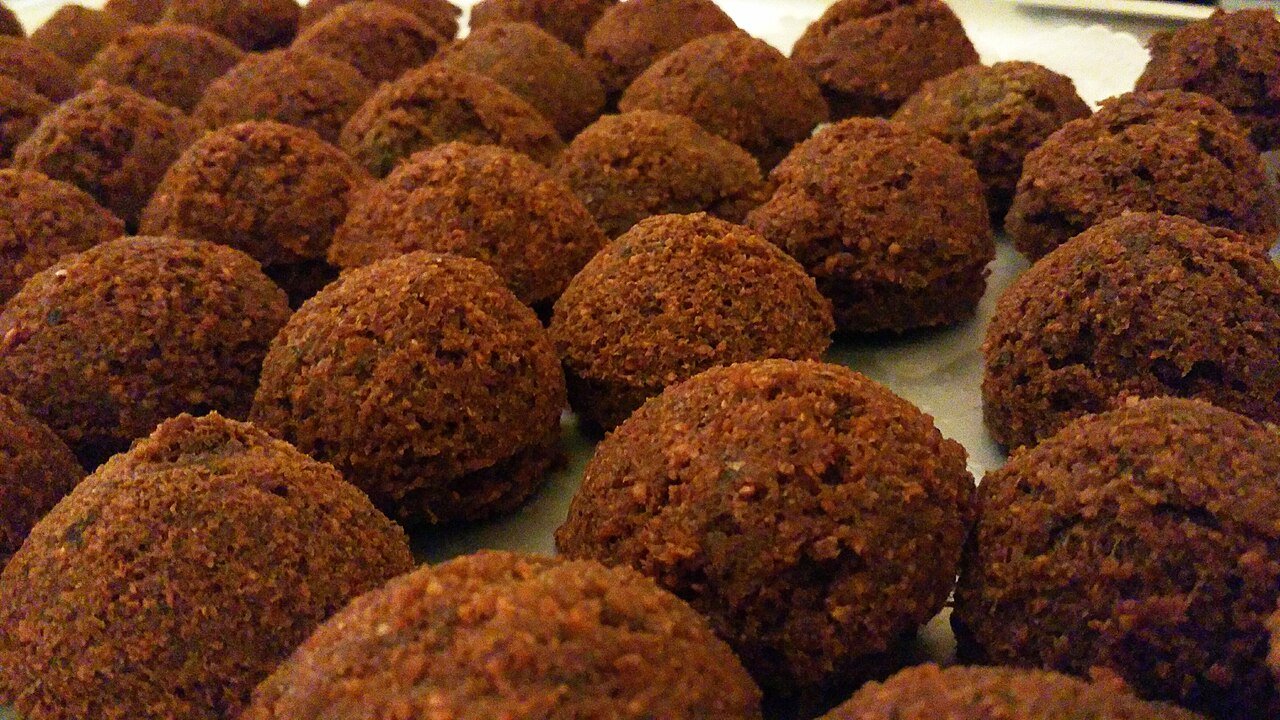
Revithokeftedes (Greek Chickpea Fritters)
Ingredients
- 2 cans (800g total) chickpeas drained, rinsed, and patted very dry
- 1 small onion finely grated
- 3 clove garlic minced
- 1 teaspoon ground cumin
- 1 teaspoon dried oregano
- 1/4 cup fresh flat-leaf parsley finely chopped
- 3 tablespoons all-purpose flour or chickpea flour for GF
- 1 egg optional - omit for vegan
- 1 teaspoon fine sea salt
- 1/4 teaspoon black pepper
- 1/4 cup (60ml) olive oil for pan-frying
- tzatziki and lemon wedges for serving
Instructions
- Drain, rinse, and pat chickpeas very dry with kitchen towels.
- Mash chickpeas roughly with a fork or potato masher — about 80% broken down, some texture remaining. Do not blend smooth.
- Add grated onion, garlic, cumin, oregano, parsley, flour, egg (if using), salt, and pepper. Mix to combine. Mixture should hold a ball when pressed.
- Form into 16-18 patties, about 1.5 inches wide and 1/2 inch thick. Press firmly.
- Heat olive oil in a wide skillet over medium heat. Fry in batches, 3-4 minutes per side, until deeply golden and crisp. Do not crowd the pan.
- Drain briefly on paper towels. Serve immediately with tzatziki and lemon wedges.
Notes
Nutrition
FAQ
Can I make revithokeftedes without egg?
Yes — the egg is optional. Omitting it makes the fritters vegan. They will be slightly more fragile in the pan, so handle gently and make sure the first side is fully set before flipping. Refrigerating the formed fritters for 30–60 minutes before frying also helps them hold together.
Can I bake revithokeftedes instead of frying?
You can, but the result is different. Baked revithokeftedes will be softer with less crust. If baking: brush with olive oil, bake at 400°F (200°C) on a parchment-lined sheet for 20–25 minutes, flipping once halfway through. They will be good but not the crispy version you get from the pan.
Why are my revithokeftedes falling apart in the pan?
Usually one of three reasons: the chickpeas weren’t dry enough before mashing, the mixture was too wet when formed (add more flour), or they were moved before the first side fully set. Press the fritters firmly when forming them, and once they go in the pan, don’t touch them until you can see the crust forming on the bottom.
Can I use dried chickpeas instead of canned?
Yes. Soak 1 lb (450g) dried chickpeas overnight, then boil until fully cooked and tender (about 1–1.5 hours). Drain and pat dry as you would with canned. Scratch-cooked chickpeas will have a slightly better texture than canned, but both work well.
How do revithokeftedes fit into a meze spread?
They work alongside dips (tzatziki, taramosalata, hummus), olives, feta, grilled bread, and other small dishes. The typical Cycladic meze table runs 6–8 dishes. Revithokeftedes are usually one of two or three hot items; the rest of the spread is cold or room temperature.