
Every summer in Greece, the same beautiful problem repeats itself. The zucchini plants take over. One week you have a few modest squash; the next, your garden looks like it is staging a rebellion. My grandmother, my yiayia, never once complained about this abundance. She welcomed it. Because she knew exactly what to do with every last one — she made kolokithokeftedes.
Kolokithokeftedes are Greek zucchini fritters, and they are one of the most beloved meze dishes across the islands and the mainland alike. Crispy on the outside, tender and fragrant on the inside, loaded with fresh mint, dill, and crumbled feta. In my yiayia’s kitchen on Kos, these appeared on the table every week from June through September, always served warm, always disappearing in minutes.
What I love about kolokithokeftedes is how honest they are. There is no hiding behind heavy sauces or complicated technique. The zucchini is the star, and your only job is to let its delicate sweetness come through while giving it a crispy golden shell. The secret — and this is where most home cooks stumble — is moisture control. Get that right, and everything else follows.
Why This Kolokithokeftedes Recipe Works
- The double-squeeze method removes more moisture than salting alone. Grating, salting, resting, and then wringing in a clean towel produces fritters that crisp properly without turning soggy or falling apart in the pan. Zucchini is roughly 95% water by weight — according to the USDA FoodData Central — which is exactly why this step cannot be skipped.
- Fresh mint and dill are non-negotiable. Dried herbs cannot replicate the brightness that fresh mint and dill bring to kolokithokeftedes. These two herbs are the soul of the dish.
- Feta crumbled into the batter adds salt, tang, and structure. It binds with the egg and flour to create fritters that hold together beautifully while adding that characteristic Greek flavor.
- Medium-high heat and shallow frying produce the best crust. Too hot and the outside burns before the center cooks; too low and they absorb oil. The right temperature gives you a shattering golden crust every time.
Step-by-Step Instructions
Step 1: Grate and Salt the Zucchini
Using the large holes of a box grater, grate the zucchini into a large bowl. Sprinkle with 1 teaspoon of fine sea salt and toss well. Let this sit for at least 15 minutes — 30 is better. The salt draws out the moisture that would otherwise make your kolokithokeftedes soggy.
Chef’s tip: Do not skip the resting time. I have watched impatient cooks skip straight to squeezing and wonder why their fritters fell apart. The salt needs time to do its work.
Step 2: Squeeze Out the Moisture
This is the most important step, and I cannot emphasize it enough. Transfer the salted zucchini to a clean kitchen towel or several layers of cheesecloth. Gather the edges and twist, squeezing as hard as you can over the sink. You will be surprised how much liquid comes out — sometimes nearly a full cup. Keep squeezing until barely any drips remain.
Chef’s tip: My yiayia used to say, “If you think you have squeezed enough, squeeze one more time.” She was right. Every drop of water you leave behind is crunch you will never get.
Step 3: Build the Batter
Transfer the squeezed zucchini to a clean, dry bowl. Add the crumbled feta, beaten eggs, fresh mint, fresh dill, sliced scallions, and grated garlic. Mix gently with a fork until everything is evenly distributed. Now add the flour and a generous grind of black pepper. Fold it in — do not overwork the batter, or the fritters will turn tough.
Chef’s tip: Taste the batter before frying. The feta and the salt from sweating usually provide enough seasoning, but everyone’s palate is different. Adjust now, not after frying.
Step 4: Heat the Oil
Pour olive oil into a large, heavy-bottomed skillet to a depth of about 1 cm (½ inch). Heat over medium-high until the oil shimmers and a small drop of batter sizzles immediately on contact. The temperature should be around 170–180°C (340–355°F) if you are using a thermometer.
Chef’s tip: A cast iron or heavy stainless steel pan holds heat best. Nonstick works, but you will not get the same golden crust.
Step 5: Fry the Kolokithokeftedes
Using a tablespoon, scoop portions of batter and gently slide them into the hot oil, pressing lightly to flatten into thick discs about 6–7 cm (2.5 inches) across. Do not overcrowd the pan — work in batches of 5 or 6, leaving space between each fritter.
Fry for 2–3 minutes per side until deep golden brown and crisp. The fritters should hold together as soon as the first side sets. If they are falling apart, your zucchini still had too much moisture — add another tablespoon of flour to the remaining batter.
Step 6: Drain and Serve
Transfer the fried kolokithokeftedes to a wire rack set over a sheet pan (paper towels work in a pinch, but a rack keeps the bottoms crisp). Sprinkle with flaky sea salt while still hot.
Serve warm with lemon wedges and a generous bowl of tzatziki or thick Greek yogurt on the side. These are at their absolute best within the first 20 minutes of frying.
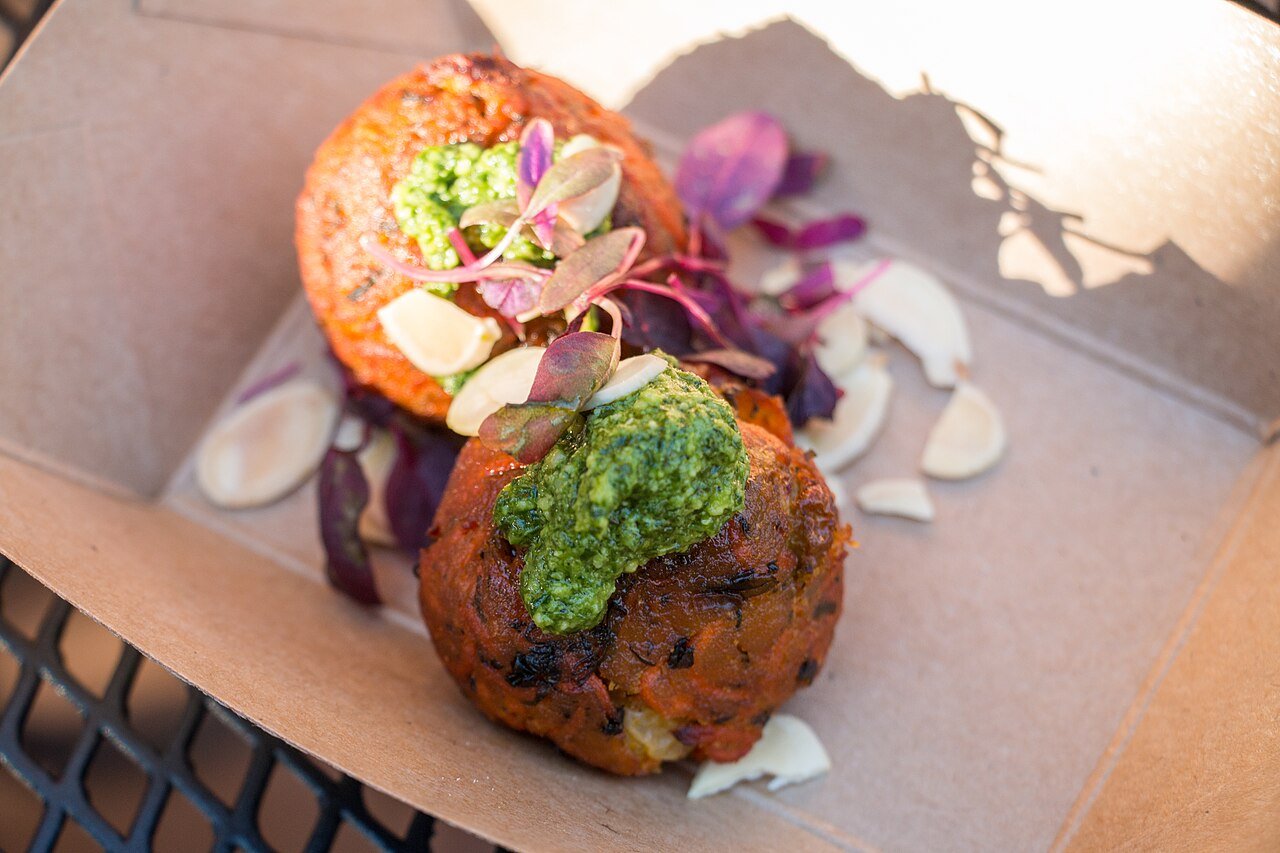
Kolokithokeftedes (Greek Zucchini Fritters)
Ingredients
For the Batter
- 4 medium zucchini about 700g (1.5 lbs)
- 1 teaspoon fine sea salt for sweating the zucchini
- 150 g (5 oz) Greek feta cheese, crumbled
- 2 large eggs, lightly beaten
- 3 tablespoons fresh mint, finely chopped
- 3 tablespoons fresh dill, finely chopped
- 4 scallions, thinly sliced white and light green parts
- 1 clove garlic, finely grated
- 1/2 cup (65g) all-purpose flour
- freshly ground black pepper
For Frying and Serving
- olive oil for shallow frying, about 1 cm deep
- flaky sea salt for finishing
- lemon wedges
- tzatziki or thick Greek yogurt for serving
Instructions
- Grate the zucchini using the large holes of a box grater into a large bowl. Toss with 1 teaspoon fine sea salt. Let sit for 15-30 minutes - the salt draws out moisture that would otherwise make the fritters soggy.
- Transfer salted zucchini to a clean kitchen towel. Gather edges and twist, squeezing firmly over the sink until barely any liquid remains. You will extract close to a cup of liquid. My yiayia said: if you think you have squeezed enough, squeeze one more time. She was right.
- Place squeezed zucchini in a clean dry bowl. Add crumbled feta, beaten eggs, mint, dill, scallions, and garlic. Mix gently with a fork until evenly distributed. Add flour and black pepper. Fold in - do not overmix or fritters will be tough. Taste and adjust seasoning.
- Pour olive oil into a large heavy-bottomed skillet to a depth of about 1 cm (1/2 inch). Heat over medium-high until the oil shimmers and a small drop of batter sizzles immediately on contact. Temperature should be 170-180C (340-355F).
- Scoop tablespoon portions of batter and gently slide into the hot oil, pressing lightly to flatten into discs about 6-7 cm (2.5 inches) across. Work in batches of 5-6, leaving space between fritters. Fry 2-3 minutes per side until deep golden brown and crisp.
- Transfer to a wire rack set over a sheet pan to drain. Sprinkle with flaky sea salt while still hot. Serve warm with lemon wedges and tzatziki or thick Greek yogurt. Best within 20 minutes of frying.
Notes
Nutrition
Chef’s Notes
Storage and Reheating
Kolokithokeftedes are best fresh, but leftovers keep well in the refrigerator for up to 3 days in an airtight container. To reheat, place them on a wire rack in a 190°C (375°F) oven for 8–10 minutes. The oven brings back the crunch. The microwave does not — it will make them soft and sad. Do not do it. On a summer table alongside a horiatiki salad, they are as good the second day as the first.
The Baked Version
I understand not everyone wants to fry, and that is perfectly fine. Shape the batter into slightly thicker patties, place them on a parchment-lined baking sheet brushed with olive oil, and brush the tops with more oil. Bake at 200°C (400°F) for about 12–15 minutes per side until golden. They will not have the same shattering crust as the fried version, but they are still delicious and lighter.
Building a Meze Platter
Kolokithokeftedes belong on a meze spread. Serve them alongside a bowl of tzatziki — the classic pairing — and a bright horiatiki (Greek village salad) to round out the table. Add a plate of spanakorizo (Greek spinach rice) and you have a summer spread that needs nothing else.
Frequently Asked Questions
How do you keep kolokithokeftedes crispy?
The single most important factor is removing as much moisture as possible from the grated zucchini before mixing the batter. Salt the zucchini, let it rest, then squeeze it firmly in a clean towel until almost no liquid comes out. Frying at the right temperature — 170–180°C (340–355°F) — and draining on a wire rack instead of paper towels also helps maintain crispness. Serve within 20 minutes of frying for the best texture.
Can you freeze Greek zucchini fritters?
Yes. Fry the kolokithokeftedes, let them cool completely on a wire rack, then arrange in a single layer on a parchment-lined baking sheet and freeze until solid. Transfer to a freezer bag and store for up to 2 months. Reheat directly from frozen in a 190°C (375°F) oven for 12–15 minutes — no need to thaw first.
What dipping sauce goes with kolokithokeftedes?
Tzatziki is the classic pairing — the cool cucumber and yogurt complement the warm, crispy fritters beautifully. The creaminess of tzatziki against the crispy, salty fritter is one of those combinations that requires no explanation; it simply works. Thick Greek yogurt with a squeeze of lemon and a pinch of salt is a simpler alternative when you want something quick.
Can you bake kolokithokeftedes instead of frying?
Absolutely. Shape the batter into patties, place on a parchment-lined baking sheet, brush generously with olive oil on both sides, and bake at 200°C (400°F) for 12–15 minutes per side until golden. The texture will be softer than fried — more like a savory pancake than a crispy fritter — but the flavor is still wonderful and you use far less oil.
How do you remove moisture from zucchini for fritters?
The two-step method works best: first, grate the zucchini and toss with salt, then let it sit for 15–30 minutes so the salt draws out moisture. Second, transfer to a clean kitchen towel, wrap tightly, and squeeze over the sink as firmly as you can. You should extract close to a cup of liquid from four medium zucchini. This double approach — salt then squeeze — removes far more moisture than either step alone.
Kolokithokeftedes are the kind of recipe that reminds me why simple food, made well, never goes out of style. When the zucchini is fresh, the herbs are fragrant, and the oil is just the right temperature, there is nothing more satisfying than hearing that first sizzle as the batter hits the pan. Make these once, and they will become your summer tradition too.