
Broccoli rabe — or rapini — is one of those vegetables that rewards patience. The first time I cooked it as a young cook growing up on the island of Kos, I tossed it raw into a hot pan with garlic and olive oil the way you would any other green. The result was intensely bitter, nearly inedible, and my mother laughed when she saw my face. “You don’t fight broccoli rabe,” she told me. “You teach it.”
That lesson stayed with me through thirty years of professional kitchens. Broccoli rabe is not difficult — but it has a personality. This is a green with real character: pleasantly sharp, slightly peppery, and deeply flavored. When you understand how to handle it, sautéed broccoli rabe becomes one of the most satisfying side dishes you can put on a plate.
This recipe starts with a proper blanch — the step most home cooks skip — which tames the bitterness without stripping the green of its flavor. Then a quick sauté with olive oil, garlic, chili flakes, and a splash of white wine finishes it beautifully. The result is tender, garlicky, and just bitter enough to remind you this is a real vegetable.
Whether you are pairing it with a grilled steak or serving it alongside my Broccoli Rabe with Spicy Sausage, this method gives you a reliable result every time.

Table of Contents
- What Is Broccoli Rabe?
- Why You Must Blanch It First
- How to Reduce the Bitterness
- Ingredients
- Step-by-Step Instructions
- Recipe Card
- How to Serve Broccoli Rabe
- Chef’s Notes
- FAQ
What Is Broccoli Rabe?
Broccoli rabe — also called rapini — looks like broccoli but is actually more closely related to turnips. The leaves, thin stalks, and small florets are all edible. It is a staple of southern Italian cooking and is well loved across the Mediterranean. Despite the name, it is a distinct plant with a more assertive, bitter flavor than common broccoli.
Nutritionally, broccoli rabe is exceptional. It is high in vitamins A, C, and K, and provides iron and calcium alongside beneficial plant compounds. According to the USDA FoodData Central, a 100-gram serving delivers around 22 calories with meaningful levels of folate and potassium.
In the kitchen, that bitterness is exactly the point — but it needs to be managed, not eliminated. The goal is not a bland green. The goal is a broccoli rabe that has the right amount of sharpness to complement the other flavors on the plate.
Why You Must Blanch It First

This is the step I see home cooks skip most often, and it is the reason their broccoli rabe ends up too harsh. Blanching — briefly boiling the greens and then shocking them in cold water — does three things:
- Draws out some of the bitterness without stripping the green of its flavor completely
- Sets the vivid color, so your finished dish looks as good as it tastes
- Shortens the sauté time, meaning less time in hot fat and more control over the final texture
The water should be generously salted — taste it, and it should taste like the sea. Drop the rabe in for 2 to 3 minutes, then immediately transfer to an ice bath to stop the cooking. Squeeze out the excess water before sautéing. This blanch is non-negotiable in my kitchen.
The same blanch-then-sauté approach works beautifully with other leafy greens. My How to Sauté Fresh Spinach guide walks through the identical technique if you want to apply it elsewhere.
How to Reduce the Bitterness
Beyond blanching, a few additional choices help manage the bitterness of broccoli rabe:
- Use plenty of garlic — garlic’s sweetness and depth counterbalance the bitter notes naturally
- Add butter at the finish — a cube of cold butter swirled in at the end rounds out the flavor and softens any remaining edge
- Splash of white wine — deglazes the pan and adds acidity that brightens the whole dish
- Chili flakes — the gentle heat shifts your perception away from pure bitterness; the spice takes center stage instead
If you find the bitterness still too intense after a single blanch, you can blanch twice, refreshing in cold water between rounds. This is more common in the south of Italy than in Greek cooking, but it works and there is no shame in it. Know your vegetable.
Ingredients
For the broccoli rabe:
- 1 bunch broccoli rabe (approximately 1 pound)
- 2 tablespoons olive oil
- 1 teaspoon garlic, minced
- 2 tablespoons butter, cubed and cold
- ¼ cup dry white wine
- ½ teaspoon red pepper flakes
- Salt and freshly ground pepper, to taste
Step-by-Step Instructions
Step 1: Blanch the broccoli rabe.
Bring a large pot of generously salted water to a full rolling boil. Trim the tough bottom inch of the stems and add the rabe to the water. Cook for 2 to 3 minutes — you want the stalks to lose their raw crunch but still hold their shape. Immediately transfer to a bowl of ice water. Once cool, lift out and squeeze out as much water as you can with your hands. This step is the foundation of the dish.
Step 2: Build the sauté.
Heat a wide sauté pan over medium heat. Add the olive oil, then add the minced garlic. Let the garlic soften and become fragrant — about 30 seconds — but do not let it brown. Browning the garlic at this stage turns it bitter and sharp in the wrong way. As soon as it is fragrant, add the blanched broccoli rabe and toss to coat it in the oil and garlic.
Step 3: Finish with wine and butter.
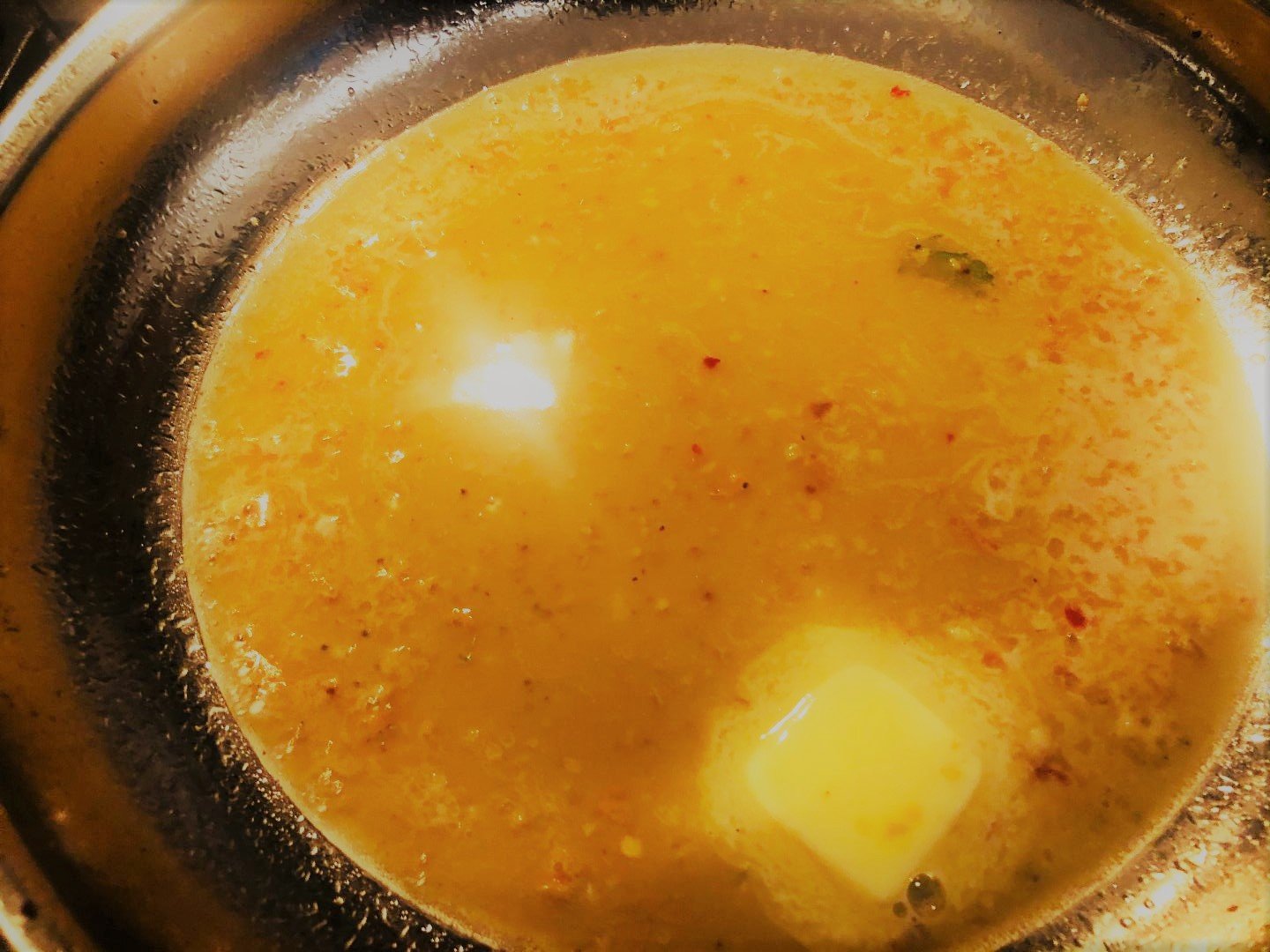
Add salt, freshly ground pepper, red pepper flakes, and white wine. Sauté for another 2 to 3 minutes until the wine reduces slightly and the rabe is heated through. Transfer the broccoli rabe to your serving plate. Return the pan to the heat, add the remaining cubed butter, and reduce the pan liquid until it tightens into a thin, glossy sauce. Spoon it over the greens and serve immediately.
Recipe Card

Sautéed Broccoli Rabe
Equipment
- (Help support our site!)Sauté Pan
- (Help support our site!)Chefs Knife
- (Help support our site!)Cutting Board
Ingredients
- 1 bunch broccoli rabe ~1 lb, blanched and squeezed dry
- 2 tablespoons olive oil
- 1 teaspoon garlic minced
- 2 tablespoons butter cubed
- ¼ cup dry white wine
- ½ teaspoon red pepper flakes
- Salt and freshly ground pepper to taste
Instructions
- Bring a large pot of heavily salted water to a boil. Trim the broccoli rabe and blanch for 2–3 minutes. Transfer immediately to an ice bath. Once cool, squeeze out excess moisture.
- Heat olive oil in a wide sauté pan over medium heat. Add garlic and cook for 30 seconds until fragrant — do not brown.
- Add the blanched broccoli rabe. Toss to coat with oil and garlic.
- Add salt, pepper, red pepper flakes, and white wine. Sauté 2–3 minutes until wine reduces slightly.
- Transfer rabe to a serving plate. Return pan to heat, add the cubed butter, and reduce the pan sauce until slightly thickened. Spoon over the greens and serve.
Notes
Nutrition
How to Serve Broccoli Rabe
Sautéed broccoli rabe is one of those side dishes that works in multiple contexts. Here are the pairings I rely on:
With meat: The bitterness of the rabe cuts cleanly through the richness of grilled sausage, lamb, or beef. If you enjoy bold flavors together, try it next to my Italian Style Meatballs — that combination is deeply satisfying.
With pasta: Toss the sautéed rabe through rigatoni or orecchiette with a little starchy pasta water and grated Pecorino. This is a standard pairing in Puglia and works exactly as well as it sounds.
At room temperature: Unlike many greens, broccoli rabe holds reasonably well at room temperature. Make it an hour ahead, finish with a squeeze of lemon, and it will still be good.
With eggs: A simple weekend breakfast — soft scrambled eggs alongside broccoli rabe sautéed the evening before is one of the more satisfying things you can do on a Saturday morning.
Chef’s Notes
Buying broccoli rabe: Look for dark green leaves with no yellowing and firm, thin stalks. Avoid bunches where the small florets have opened and yellowed — the bitterness intensifies as the plant matures past its prime.
Storage: Raw broccoli rabe keeps in the refrigerator for up to 3 days, loosely wrapped in a damp paper towel. Once cooked, store covered and refrigerate for up to 2 days. Reheat gently in a skillet with a small splash of water or broth.
Variations:
- Add a small amount of anchovy paste at the garlic stage for a deeper, more savory result
- Finish with lemon zest for brightness
- Toss with cannellini beans and extra olive oil for a more substantial preparation
- Add Italian sausage directly to the pan after the garlic step for a one-pan main course — see my Broccoli Rabe with Spicy Sausage for the full version
FAQ
Is broccoli rabe the same as broccolini?
No. Broccolini is a hybrid of broccoli and Chinese broccoli, with a milder, sweeter flavor. Broccoli rabe (rapini) is a separate plant in the turnip family with a distinctly more bitter taste. They can substitute for each other in a pinch, but the flavor will be noticeably different.
How do you reduce bitterness in broccoli rabe?
The most effective method is blanching — briefly boiling the rabe in heavily salted water and then shocking it in cold water before sautéing. For a less bitter result, you can blanch twice. Adding garlic, butter, and chili flakes during the sauté also shifts the flavor balance away from harsh bitterness.
Can you eat broccoli rabe raw?
Technically yes, but it is not recommended for most preparations. The bitterness raw is quite intense. Some recipes use very young, tender leaves in salads, but the standard preparation involves cooking.
What does broccoli rabe taste like?
Slightly bitter, peppery, and grassy, with a flavor that is more assertive than regular broccoli. When cooked properly, the bitterness mellows into something pleasantly sharp rather than harsh.
How do I know when broccoli rabe is done?
The stems should be tender when pierced with a fork but still hold their shape — not mushy. The leaves will have wilted fully. The whole sauté takes about 5 minutes once the rabe has been blanched.